Can Dry Mouth Cause Cavities? Causes, Risks, and Treatment Options
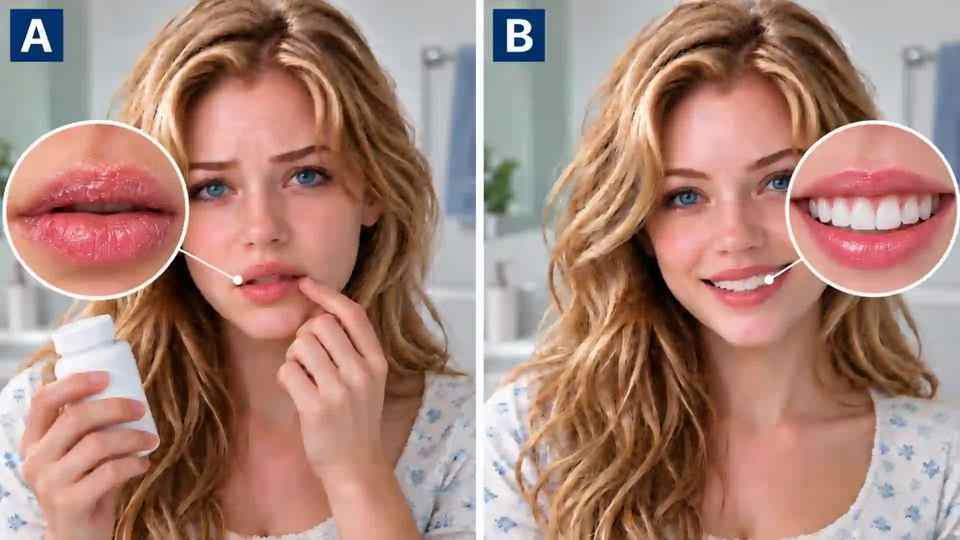
The correct quiz answer is A: Dry mouth. Dry mouth can increase the risk of cavities because saliva helps wash away food particles, neutralize acids, and supply minerals that protect tooth enamel. When saliva production or protective function is reduced, teeth may become more vulnerable to decay.
Key Takeaways:
Dry mouth can weaken several of the mouth's natural defenses against tooth decay.
Saliva helps clear food debris, neutralize acids, and support enamel remineralization.
Certain medications, medical conditions, dehydration, and cancer treatments can contribute to dry mouth.
Fluoride toothpaste and consistent oral hygiene help protect teeth when saliva is reduced.
Saliva substitutes may relieve discomfort but do not necessarily prevent cavities on their own.
Persistent dry mouth or repeated cavities warrant professional evaluation.
This guide explains how dry mouth contributes to cavities, which symptoms deserve attention, and how to protect teeth when saliva is reduced.
Medical information notice: This article provides general educational information and does not replace individualized examination, diagnosis, or treatment from a licensed dental professional.
Quiz Answer: Which Condition Can Increase the Risk of Cavities?
Dry mouth is the correct answer because saliva helps protect teeth from decay. It washes away food particles, neutralizes acids produced by oral bacteria, and supplies minerals that help maintain tooth enamel.
When saliva production or protective function is reduced, these natural defenses may become less effective. Acid exposure can persist longer, and enamel may lose minerals faster than they can be replaced.
Whiter teeth do not inherently indicate an increased risk of cavities. Tooth color alone cannot establish whether teeth are healthy or affected by decay. Dry mouth, by contrast, is a recognized factor that can increase cavity risk, particularly when symptoms persist or occur alongside other risk factors.
How Does Dry Mouth Increase the Risk of Cavities?
Dry mouth increases cavity risk because less saliva may be available to clear food debris, neutralize bacterial acids, and support the remineralization of tooth enamel.
Xerostomia is the subjective sensation of oral dryness. Hyposalivation is an objectively measured reduction in saliva production. These terms are related but not interchangeable: someone can experience dry mouth even when testing does not show a substantial decrease in salivary flow.
When saliva production or protective function is reduced, the mouth may become more vulnerable to tooth decay. Cavities may develop near the gumline, around existing fillings, or on exposed root surfaces when gum recession uncovers the roots.
Dry mouth does not guarantee that cavities will develop. Risk depends on saliva function, fluoride exposure, diet, oral hygiene, existing dental work, and individual susceptibility.
What Causes Dry Mouth?
Dry mouth can result from medications, medical conditions, dehydration, lifestyle factors, or damage to the salivary glands.
Medication-related dry mouth is a common concern. Certain antihistamines, decongestants, antidepressants, anxiety medications, blood pressure medicines, diuretics, and pain medications can contribute to dryness. The effect varies by medication, dose, and individual response.
Medical conditions such as Sjögren's disease, diabetes, salivary gland disorders, and certain nerve injuries can also affect saliva production. Radiation therapy involving the head or neck may damage salivary glands, while chemotherapy and other cancer treatments can affect oral moisture.
Not drinking enough fluid, sweating heavily, vomiting, diarrhea, alcohol, tobacco, excessive caffeine, and mouth breathing may also contribute to dry mouth in some people.
Do not stop or change a prescribed medication on your own. Ask the prescribing clinician whether a medication adjustment or alternative may be appropriate.
What Are the Signs of Dry Mouth and Dry-Mouth-Related Cavities?
Dry mouth may cause noticeable discomfort before a cavity develops, but tooth decay can also progress without obvious symptoms.
Common signs of dry mouth include a sticky or cotton-like feeling in the mouth, difficulty chewing or swallowing, a dry or cracked tongue, cracked lips, persistent dry throat, burning or irritation, changes in taste, and persistent bad breath.
Possible signs of tooth decay include new white, brown, or dark spots, sensitivity to sweets or temperature changes, visible holes, and pain when chewing. These symptoms do not establish a diagnosis. A dark spot may be staining rather than active decay, and tooth sensitivity can have causes other than cavities.
Arrange a dental appointment if dry mouth persists, repeated cavities develop, or you notice new changes in your teeth. Seek prompt care for persistent tooth pain or suspected infection. Facial swelling with fever requires urgent assessment, and difficulty breathing or swallowing can be a medical emergency.
What Is the Best Dry Mouth Treatment?
The best dry mouth treatment depends on the underlying cause, the severity of symptoms, and whether saliva production is reduced. Treatment usually aims to identify the cause, improve oral comfort, and prevent complications such as cavities and oral infections.
Practical measures may include sipping water regularly, drinking water with meals, using a humidifier at night if indoor air is dry, limiting alcohol, avoiding tobacco, reducing caffeine if it worsens symptoms, and choosing softer, moist foods when chewing is uncomfortable.
Saliva substitutes are available as sprays, gels, rinses, and other formulations. They may temporarily improve comfort but do not necessarily restore natural saliva production or eliminate the underlying cause. Sugar-free gum or lozenges may stimulate saliva when the salivary glands still function, although these options are not suitable for everyone.
People with significant salivary gland dysfunction may benefit from prescription medicines in some circumstances. A healthcare professional must determine whether such treatment is appropriate.
How Can You Prevent Cavities When You Have Dry Mouth?
Cavity prevention for dry mouth requires consistent home care and professional monitoring. The goal is to strengthen enamel, reduce frequent acid exposure, and identify early decay before it becomes more extensive.
Brush twice daily with fluoride toothpaste and clean between your teeth every day using dental floss or an appropriate interdental cleaner. Fluoride helps strengthen enamel and supports remineralization.
Reduce frequent sugar exposure because bacteria in dental plaque use fermentable carbohydrates to produce acids that weaken enamel. Choose water instead of sugary beverages and avoid repeatedly sipping sweetened drinks throughout the day.
Some people with persistent dry mouth or a history of repeated cavities may need prescription-strength fluoride products. A dentist can determine whether additional protection is appropriate based on the individual's cavity risk and clinical findings.
Schedule dental visits according to your risk. People with persistent dry mouth or rapidly recurring cavities may need more frequent examinations than those at lower risk.
Which Dry Mouth Products Help Prevent Cavities?
Dry mouth products serve different purposes. Some primarily improve comfort, while others deliver fluoride to help protect teeth.
Saliva substitute sprays and gels moisten and lubricate the mouth but usually provide temporary relief. Alcohol-free dry mouth rinses may relieve symptoms, although they do not automatically provide cavity protection unless formulated for that purpose.
Sugar-free gum or lozenges may stimulate saliva when the salivary glands remain functional. Fluoride toothpaste helps prevent cavities, while prescription-strength fluoride products may provide additional protection for selected high-risk patients under professional guidance.
Saliva-stimulating prescription medicines may help eligible patients but require medical assessment. Saliva substitutes can improve comfort, but they do not automatically provide sufficient fluoride protection or prevent cavities on their own.
Ask your dentist which products are appropriate for your symptoms and individual cavity risk.
Common Mistakes to Avoid When Managing Dry Mouth
Treating dryness as only a comfort problem: Persistent dry mouth can increase cavity risk even when it does not cause pain.
Using sugary candy to stimulate saliva: Repeated sugar exposure can worsen the risk of decay.
Assuming saliva substitutes prevent cavities: Moisturizing products may relieve symptoms without providing sufficient fluoride protection.
Stopping medication without medical advice: Abrupt changes can be harmful, and the underlying condition may still require treatment.
Waiting for a toothache: Some cavities develop without noticeable symptoms.
Using prescription fluoride products without instructions: Stronger fluoride products require appropriate selection and use.
Frequently Asked Questions About Dry Mouth and Cavities
Which condition can increase the risk of cavities?
Dry mouth can increase cavity risk because saliva helps wash away food particles, neutralize acids, and supply minerals that protect tooth enamel.
Can dry mouth cause cavities even if I brush every day?
Yes. Reduced saliva can weaken the mouth's natural protective functions. Fluoride toothpaste, daily interdental cleaning, reduced sugar frequency, and professional monitoring can help lower the risk.
What causes dry mouth?
Possible causes include certain medications, medical conditions, dehydration, mouth breathing, and cancer treatments. A healthcare professional can help investigate persistent symptoms.
Do saliva substitutes prevent tooth decay?
Saliva substitutes primarily moisturize and lubricate the mouth. They do not necessarily restore natural saliva production or provide enough fluoride to prevent cavities, so they should complement rather than replace a dental prevention plan.
When should I see a dentist for dry mouth?
Arrange an evaluation if dry mouth persists, affects eating or speaking, or occurs alongside repeated cavities or other unexplained symptoms. Seek prompt care for tooth pain or suspected infection.
Can dry mouth go away on its own?
Temporary dryness caused by dehydration, mouth breathing, or a short-lived illness may improve when the contributing factor resolves. Persistent dry mouth may be associated with medications or medical conditions and should be evaluated.
Sources
- National Institute of Dental and Craniofacial Research (NIDCR). Dry Mouth. https://www.nidcr.nih.gov/health-info/dry-mouth
- American Dental Association (ADA). Xerostomia (Dry Mouth). https://www.ada.org/resources/ada-library/oral-health-topics/xerostomia
- American Dental Association, MouthHealthy. Dry Mouth. https://www.mouthhealthy.org/all-topics-a-z/dry-mouth
- MedlinePlus. Dry Mouth. https://medlineplus.gov/drymouth.html
- American Dental Association (ADA). Fluoride: Topical and Systemic Supplements. https://www.ada.org/resources/ada-library/oral-health-topics/fluoride-topical-and-systemic-supplements